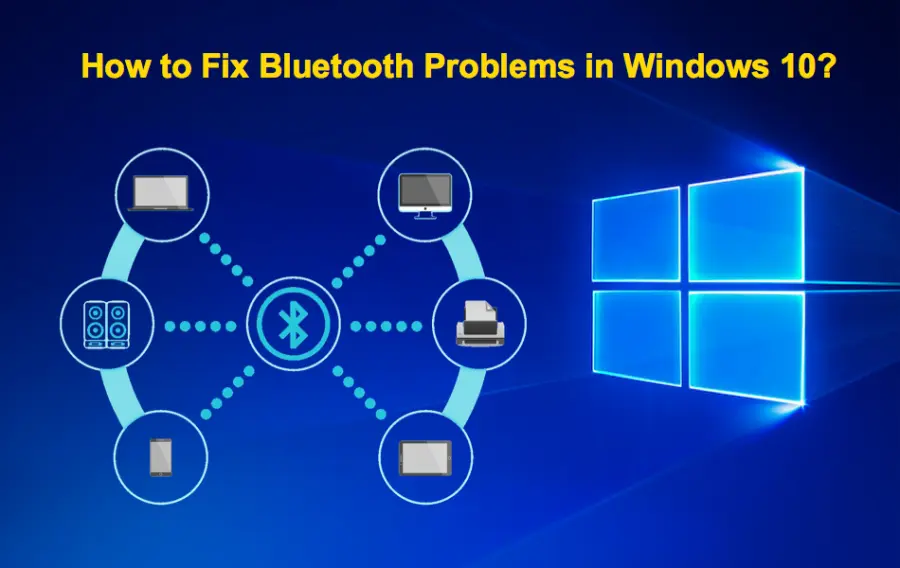
Bluetooth drivers help computers organize wireless communication between operating systems, radio hardware, headphones, keyboards, mice, and many other nearby devices.
Understanding Bluetooth radio communication
Bluetooth technology operates on the 2.4GHz frequency band, which is also shared by several other wireless technologies. Bluetooth drivers help organize how the wireless adapter communicates across this crowded radio environment.
Simple idea
Bluetooth communication is like sending tiny wireless messages between nearby devices using organized radio timing.
Adaptive frequency behavior
Modern Bluetooth systems may use adaptive frequency behavior to avoid crowded wireless channels. Drivers help the wireless hardware identify active frequencies and organize communication more efficiently.
Bluetooth Concept
Stereo Profile
Stereo audio profiles help organize higher-quality music playback across wireless audio devices.
Bluetooth Concept
Hands-Free Profile
Hands-free communication profiles help support microphone and call-style wireless communication.
Understanding Bluetooth stacks
A Bluetooth stack refers to the software layers responsible for wireless communication. These layers help organize device discovery, pairing, encryption, audio routing, and radio coordination between the operating system and Bluetooth hardware.
Concept Flow
Operating System → Bluetooth Stack → Wireless Device
The operating system communicates with the Bluetooth stack, and the stack organizes communication with nearby wireless hardware.
Audio codecs and wireless sound
Bluetooth audio communication may use codecs to organize and compress sound data before transmission. Different codecs can influence audio quality, latency behavior, and bandwidth usage during wireless playback.
Power management and wireless behavior
Bluetooth hardware may enter different power states depending on device activity. Drivers help coordinate how wireless radios behave during active communication, idle periods, and low-power operation.